

Reducing No-Show Rates for Small Businesses: Strategies and Solutions
This guide explores effective strategies and practical methods for appointment-based small businesses to tackle the common problem of customer no-shows.
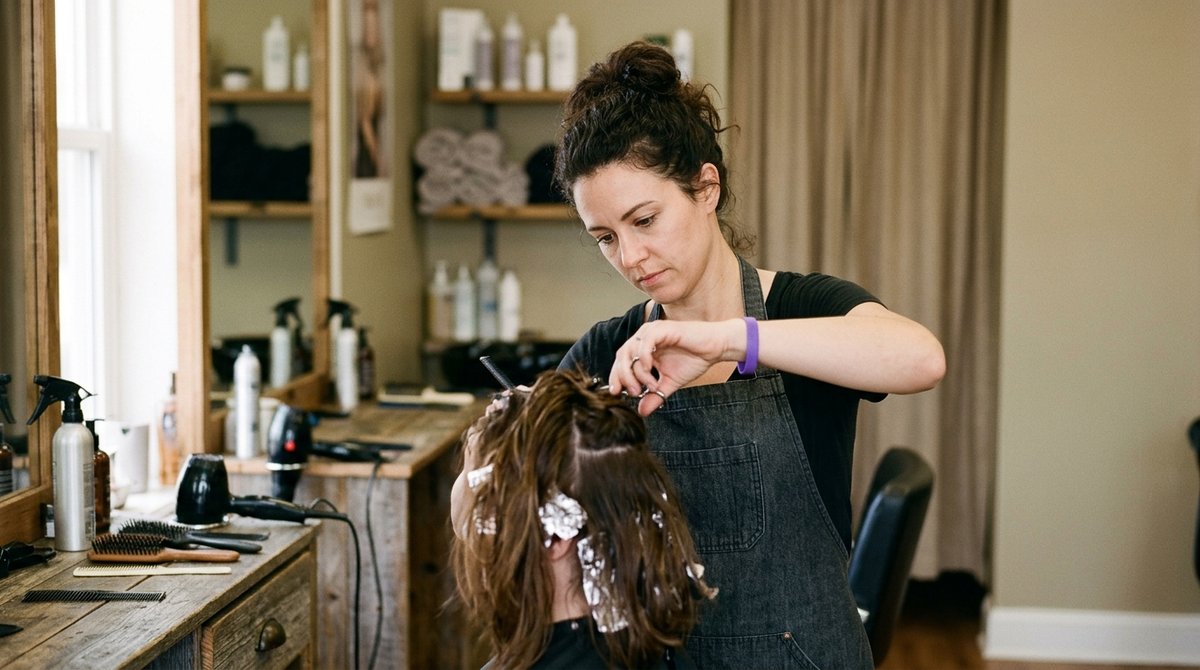
Key strategies to reduce no-show rates include sending automated pre-appointment reminders, requiring appointment confirmations, and fostering continuous customer communication to build loyalty. These approaches enhance scheduling efficiency and help prevent empty appointment slots.
Son gözden geçirme: 28 Ekim 2026
İçindekiler(6 başlık)
How Do No-Show Customers Affect Businesses?
For small and medium-sized businesses that operate on an appointment basis, customer no-shows don't just mean a wasted appointment slot; they create a ripple effect of negative consequences. An empty appointment slot leads to potential revenue loss, as another customer cannot be booked for that time. This means the business's operational capacity is not fully utilized. This situation becomes more pronounced in high-demand or limited-capacity service sectors, such as beauty salons, health clinics, or consulting offices.
No-show customers not only cause immediate revenue loss but also negatively impact staff planning. Staff members who are ready for a scheduled appointment spend their time unproductively when the customer doesn't arrive. This can lower employee morale and disrupt the overall workflow. Furthermore, the business's reputation can suffer; loyal customers who consistently keep their appointments might form negative opinions about service quality or business efficiency when they see empty slots.
Another significant impact is the increase in overall operational costs. Fixed expenses such as heating, lighting, and cleaning continue even if an appointment doesn't take place. This further reduces the business's profit margin for every no-show. In the long run, high no-show rates can limit a business's growth potential and negatively affect its ability to make new investments. Therefore, understanding the no-show problem and developing effective solutions is critical for the sustainability of SMEs.
Additionally, time wasted due to no-show customers prevents the business from serving other potential clients. If an appointment cancellation is not communicated early enough, or at all, it's often impossible to fill that vacant slot with a new customer. This hinders the business's efforts to expand its customer base and generate more revenue. An effective appointment management strategy can significantly improve a business's overall performance by minimizing such losses.
In summary
- Automatically send appointment reminders via email and instant messaging channels.
- Establish a confirmation mechanism by asking customers to confirm their appointments with a simple reply.
- Increase customer loyalty through loyalty programs and personalized communication.
- Make appointment cancellation and rescheduling processes easy and accessible for customers.
- Regularly collect feedback to understand the reasons for customer no-shows.
What Are Effective Appointment Reminder Methods?
Appointment reminder systems are one of the most fundamental and effective ways to reduce customer no-show rates. Taking proactive steps to prevent customers from forgetting their appointments directly boosts a business's operational efficiency. These systems typically work through automated messaging or email, sending notifications to customers a certain period before their appointment time. For example, a reminder sent 24 or 48 hours before an appointment gives customers ample time to plan for it.
Sending reminders through various communication channels increases accessibility. Communicating via customers' preferred channels ensures that reminders are actually read and acted upon. Some customers might prefer email reminders, while others may notice notifications from instant messaging applications more quickly. This variety allows businesses to reach a broad segment of their customer base and enhances the effectiveness of reminders.
The content of reminder messages is also crucial. Messages should be clear, concise, and easy to understand. They should include essential information such as the appointment date, time, location, and service name. Additionally, offering options to cancel or reschedule the appointment provides flexibility to customers and can prevent last-minute cancellations. This approach encourages customers to inform the business even if they cannot make their appointment, allowing the vacant slot to be used for another customer.
Personalizing reminder systems improves the customer experience and makes messages more effective. Addressing customers by name or referencing their previous services makes communication more personal. For example, a reminder related to a service received during a previous visit can strengthen a customer's loyalty to the business. Customer relationship management plays a significant role in personalizing reminder messages.
Repeated reminders can also be beneficial, but it's important not to overdo it. For instance, sending an email a few days before the appointment, an instant message a day before, and a final reminder a few hours before the appointment can be a balanced approach. This ensures customers aren't bothered while minimizing the chance of them forgetting the appointment. Such multi-reminder strategies are particularly effective for customers with busy schedules.
Finally, integrating reminder systems with the business's existing appointment calendar automates processes. It eliminates the burden of sending manual reminders, saving time and reducing the risk of human error. This integration allows businesses to operate more efficiently and manage customer communication more consistently. Sending automated reminders via instant messaging channels is a crucial part of this integration.

How Do Appointment Confirmation Mechanisms Work?
Appointment confirmation mechanisms are another critical component in reducing customer no-show rates. These systems ask customers to confirm their appointment, ensuring they genuinely intend to keep it and preventing potential forgetfulness. The confirmation process typically occurs via a message or email sent to the customer, requesting them to confirm their appointment with a simple reply.
Confirmation mechanisms make business planning processes more reliable. When a customer confirms their appointment, the business knows there's a high probability of that appointment taking place and prepares accordingly. For unconfirmed appointments, the business can contact the customer to clarify the situation or seize the opportunity to fill the vacant slot with another customer. This proactive approach increases operational efficiency.
Confirmation requests are often sent along with reminder messages. For example, a reminder message might include a phrase like “Reply YES to confirm your appointment.” This allows the customer to receive the reminder and confirm their appointment in a single interaction. A simple and easy confirmation process increases the likelihood of customers using this mechanism and provides valuable feedback for the business.
Businesses can customize confirmation mechanisms to suit their needs. For instance, some businesses might make appointment confirmation mandatory, while others offer it as an option. Mandatory confirmation can be more suitable for businesses offering high-cost or long-duration services. This ensures the business uses its resources more efficiently and prevents significant losses.
The effectiveness of confirmation mechanisms also depends on the communication channel used. Confirmation requests sent via instant messaging applications generally have higher response rates because customers see and respond to these messages more quickly. Email confirmations can also be effective, but responses may take longer compared to instant messaging. Businesses should choose the most suitable channel by considering their customer base's communication habits.
Establishing a follow-up process for unconfirmed appointments is also important. If a customer doesn't confirm their appointment within a certain timeframe, the business can automatically send a second reminder or make a phone call. This helps prevent the appointment from being completely lost and provides the business with an opportunity to reschedule the vacant slot. Such flexibility also enhances customer satisfaction.
Techniques to Increase Customer Loyalty
Increasing customer loyalty not only reduces no-show rates but is also a fundamental strategy for a business's long-term success. The more loyal customers are to a business, the more likely they are to keep their appointments and continue choosing your services. Loyalty is a relationship built through continuous and positive interactions, rather than a one-time transaction.
Personalized communication is one of the most effective ways to increase customer loyalty. Addressing customers by name, remembering their past purchases or services, and offering them special deals makes them feel valued. This approach strengthens the customer's bond with the business and shows them they are not just a number. Personalized messages increase customer trust in the business and reinforce their loyalty.
Providing regular and valuable content also increases customer loyalty. For example, sending emails or messages with useful tips related to your services, industry innovations, or special campaigns keeps customers engaged with the business. This content should focus on adding value to customers rather than being solely sales-oriented. In this way, customers begin to see your business not only as a service provider but also as a reliable source of information.
Valuing customer feedback and making improvements based on it is an important element that boosts loyalty. Seeing that their opinions are heard and taken seriously reinforces customers' trust in the business. Collecting feedback through surveys, direct messages, or face-to-face meetings and responding quickly to this feedback increases customer satisfaction and loyalty.
Creating loyalty programs is a tangible strategy that encourages customers to return. By offering point systems, discounts, or special privileges, you can encourage customers to interact with your business more frequently. For example, offering a free service on every fifth appointment or a special discount when they reach a certain spending threshold increases customer loyalty and helps reduce no-show rates.
Finally, consistently maintaining high-quality customer service forms the foundation of loyalty. Friendly, helpful, and knowledgeable staff positively influence customers' experience with the business. Providing quick and effective solutions to problems reinforces customer trust in the business and prevents negative experiences from affecting loyalty. When customers feel valued, they become more loyal to the business and are more likely to keep their appointments.
What Steps Should Be Taken to Reduce No-Show Rates?
- Set Up an Appointment Reminder System: Send automated reminder messages to customers a certain period before their appointment dates (e.g., 24 or 48 hours). Increase reach by delivering these messages through different channels such as email and instant messaging applications.
- Implement an Appointment Confirmation Mechanism: Along with appointment reminders, ask customers to confirm their appointments. Keep this confirmation process simple (e.g., a one-word reply) to increase participation rates and establish follow-up procedures for unconfirmed appointments.
- Diversify Communication Channels: Reach out to customers using their preferred communication channels. By combining different channels like instant messaging applications, email, or SMS, you can enhance the effectiveness of reminder and confirmation messages.
- Create Customer Loyalty Programs: Strengthen customer loyalty to your business with incentives such as loyalty programs, special offers, or birthday discounts. These programs increase customer dedication to the business, thereby boosting appointment adherence.
- Simplify Cancellation and Rescheduling Processes: Allow customers to easily cancel or reschedule their appointments. A clear and accessible cancellation/rescheduling policy helps prevent last-minute surprises and allows vacant slots to be filled.
- Collect and Evaluate Feedback: Gather feedback to understand the reasons for customer no-shows. Contact customers to ask why they couldn't make their appointments and use this information to improve your future strategies.
Sık sorulan sorular
Through which channels should appointment reminders be sent?
Appointment reminders should be sent through the channels customers use most frequently and that yield the fastest responses. Email, instant messaging applications, and SMS are effective channels for this purpose. Tailoring your communication strategy to customers' preferred channels increases the effectiveness of reminders.
What types of incentives can be used to reduce no-show rates?
Incentives such as loyalty programs, discounts, or special privileges can be used to reduce no-show rates. For example, awarding special points to customers who attend regular appointments or offering a free service after a certain number of appointments increases customer loyalty and reinforces appointment adherence.
How can I make appointment cancellations and rescheduling easier?
To make appointment cancellations and rescheduling easier, you should offer clear and accessible methods to customers. Providing an option to cancel or reschedule with a simple reply via automated messaging systems eliminates the need for phone calls. Additionally, providing an easily accessible interface in appointment management systems also speeds up this process.
How does increasing customer loyalty contribute to solving the no-show problem?
Increasing customer loyalty reinforces customers' trust and dedication to the business. Loyal customers are more likely to adhere to their appointments and wish to maintain their relationship with the business. This naturally helps reduce no-show rates and enables the business to have a stable customer base.
TalkUnify içerik ekibi; çok kanallı müşteri iletişimi, yapay zekâ destekli yanıtlama ve KOBİ dijitalleşmesi üzerine yazıyor.
Bu yazarın diğer yazılarıBunlar da ilginizi çekebilir
 Kullanım İpuçları
Boost Your Brand Visibility with AI-Powered Customer Support Automation
In today's digital landscape, customers are turning to AI-powered voice assistants over traditional search engines. Discover how your brand can stand out and reach potential customers through this evolving communication channel.
 Kullanım İpuçları
AI-Powered Customer Support Automation for Restaurants & Cafes
TalkUnify offers an omnichannel customer communication platform for restaurants and cafes, streamlining reservations and orders with AI-powered responses, enhancing customer satisfaction during peak hours.
 Kullanım İpuçları
Data Privacy and Security for Small and Medium Businesses (SMBs)
This guide outlines essential steps for small and medium-sized businesses to securely manage customer data, ensure legal compliance, and build customer trust.